Description
Among the main benefits of C Fuel: it considerably reduces CO² emissions into the atmosphere; reduces smoke and ash at the stacks; isolates water from the fuel and from bacteria, preventing the formation of sulfuric acid; keeps boilers very clean, increases flame length and delivers fuel savings of 5% to 30% in boilers.
- Combustion improvement:
- It is an extremely concentrated surfactant, unlike most fuel additives, which are solvents. Its viscosity is approximately 15% of the fuel's viscosity.
- It improves atomization and breaks the fuel down at the molecular level, releasing more energy.
- It has a purely physical effect on fuels, modifying the molecular structure, dissolving deposits and sludge and promoting more complete combustion.
- C Fuel improves and facilitates the combustion reaction, so it becomes necessary to reduce the size of the reaction and, possibly, reduce the pump flow rate to maintain the optimal temperature.
- It has a 100% organic composition, free of solvents, benzene and toluene.
- Reduction of pollutant emissions (sulfur dioxide and suspended particles)
- It isolates water from the fuel and from bacteria, preventing the formation of sulfuric acid and allowing a considerable reduction in sulfur dioxide emissions to levels below 2500 mg/m3
- Among its main benefits, it considerably reduces CO² emissions into the atmosphere.
- It reduces smoke and ash, lowering total suspended particles to levels below 150mg/m3
- Performance of the C-Fuel additive
- The ratio is 1 liter of additive per 5,000 liters of fuel to achieve a substantial, short-term reduction in emissions, which makes its price affordable relative to fuel spending.
- A reduction in fuel consumption of more than 5%, which justifies its use since its cost is offset by the savings obtained.
- Pack size
- The additive is packaged in 5-liter containers, each of which treats 25,000 liters of fuel (1 to 5,000 ratio) for emission reduction purposes. It can be applied directly to the day tanks or to the main tank by adding the additive directly through the fuel tank filling hoses, always respecting the ratio
- Instructions for use and benefits of C-Fuel - Organic Additive
- Designed for use in diesel, bunker, kerosene and gas oil boilers
- Reduces pollutant emissions.
- Does not damage oxygen sensors, injectors, converters, exhaust gas recirculation valves or exhaust system catalysts.
- Cleans main fuel storage tanks, fuel filters, valves, injectors, injection pumps, fuel transfer lines and day tanks.
- It does not modify the chemical structure of fuels; it breaks down carbon and sulfur. It disperses water in the fuel, creating an emulsion throughout the stored fuel volume so the fuel burns completely, and it prevents water from settling at the bottom of tanks, preventing the growth of algae, sludge and bacteria that produce sulfuric acid and corrode tank bottoms and walls.
- Breaks down varnish and gum deposits and buildup in the fuel supply lines.
- Contains no benzene, toluene or petroleum-derived solvents in its formulation.
- Ingredients: essential oils from nuts and almonds processed with advanced biotechnology.
- Caution: keep away from heat, sparks and flames, and out of the reach of children.
- Avoid prolonged exposure of the product to direct sunlight, as it loses effectiveness.
- First aid:
- In case of contact with eyes or skin, rinse with plenty of water.
- If swallowed, do not induce vomiting and take the person to the nearest hospital.
- Apply directly to the fuel tank before refueling, in an amount that gives a mixing ratio of one part additive per 5,000 parts fuel for emission reduction and savings. Its high concentration makes storage and handling easier for boiler department staff.


 C-Fuel
₡34.600 VAT included
 Eco 10 000 Gasolina
₡27.300 VAT included
 P-18 Antifricción
Price range: ₡19.400 through ₡50.300 VAT included
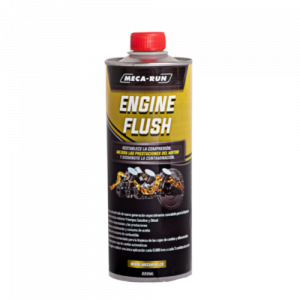 Engine Flush
₡27.800 VAT included
 C-99 Gasolina
Price range: ₡3.100 through ₡32.800 VAT included
 C-99 Diésel
Price range: ₡3.100 through ₡32.800 VAT included
 C-99 Racing
Price range: ₡4.800 through ₡35.200 VAT included
 Eco 10 000 Diésel
₡27.300 VAT included
 Español


Reviews
There are no reviews yet.